
Introduction
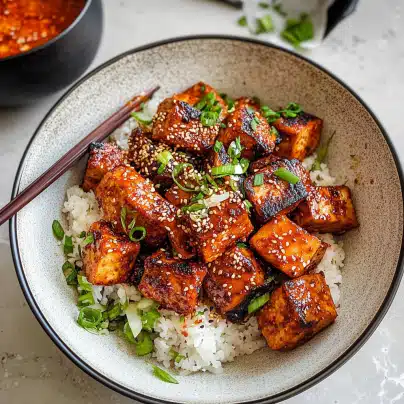
If you love bold, spicy flavors with a crispy texture, then you’re in for a treat with Crispy Gochujang Korean Tofu. This dish brings together the deliciously rich flavors of Korean cuisine with the healthy, plant-based goodness of tofu. The tofu is coated in a flavorful gochujang sauce, then crisped to perfection, creating a tantalizing combination of heat, umami, and a satisfying crunch. Whether you’re a tofu enthusiast, a fan of Korean flavors, or simply looking for a vibrant, flavorful meal, this dish is sure to become a favorite in your kitchen.
In this article, we will explore why Crispy Gochujang Korean Tofu is an excellent choice for a quick and satisfying meal, provide detailed instructions on how to make it, and offer helpful tips and variations to customize the recipe to suit your taste. With this dish, you’ll experience the depth of Korean flavors with a crispy, plant-based twist!
Why You’ll Love This Recipe
- Bold and Flavorful: The star of this dish is the spicy and savory gochujang sauce, which is packed with umami and a hint of sweetness, making every bite irresistible.
- Crispy and Satisfying: The tofu is coated in cornstarch and fried to create a crunchy texture on the outside while remaining tender on the inside.
- Plant-Based and Healthy: This recipe is made entirely with tofu, making it a great vegetarian or vegan option that is full of protein and low in fat.
- Quick and Easy: With minimal ingredients and simple preparation steps, this recipe comes together in under 30 minutes, making it perfect for busy weeknights or when you want a quick, flavorful meal.
- Customizable: You can adjust the level of spiciness by adding more or less gochujang, and you can also modify the vegetables and garnishes based on what you have on hand.
Preparation Time and Servings
- Total Time: 30 minutes (10 minutes for prep, 20 minutes for cooking)
- Servings: This recipe makes about 4 servings, depending on portion size.
- Nutrition Facts (per serving): Calories: 220, Protein: 16g, Carbs: 10g, Fat: 16g.
Ingredients
For the Tofu:
- 1 block (14 oz) firm tofu: Pressed and drained, this tofu will provide the right texture for frying.
- 1 tablespoon soy sauce: For seasoning the tofu and enhancing its flavor.
- 1 tablespoon rice vinegar: To balance the richness of the tofu and bring a slight tanginess.
- 2 tablespoons cornstarch: To create a crispy coating on the tofu when fried.
- ½ teaspoon garlic powder: For an additional layer of flavor.
- ½ teaspoon onion powder: To complement the garlic powder and enhance the overall seasoning.
- 1 tablespoon vegetable oil: For frying the tofu and achieving the crispy texture.
For the Gochujang Sauce:
- 3 tablespoons gochujang (Korean chili paste): The main flavoring for the sauce, giving it that spicy, smoky depth.
- 1 tablespoon soy sauce: To add saltiness and depth to the sauce.
- 1 tablespoon sesame oil: For a nutty, aromatic undertone in the sauce.
- 1 tablespoon honey (or maple syrup for vegan version): To balance the heat of the gochujang with a touch of sweetness.
- 1 tablespoon rice vinegar: To provide a tangy contrast to the sauce’s richness.
- 1 teaspoon grated ginger: For a fresh, zesty flavor that enhances the gochujang’s heat.
- 1 clove garlic, minced: For an aromatic addition to the sauce.
For Garnish:
- 1 tablespoon sesame seeds: For a nice crunch and visual appeal.
- 2-3 green onions, thinly sliced: For a fresh, mild onion flavor to brighten the dish.
- Fresh cilantro leaves (optional): For an herbaceous touch.
- A squeeze of lime juice: To add a burst of freshness before serving.
Step-by-Step Preparation
FIRST STEP: PREPARE THE TOFU
- Press the Tofu: Start by pressing the tofu to remove any excess moisture. Place the block of tofu between two clean kitchen towels or paper towels, and set a heavy object, like a cast-iron skillet, on top. Allow it to press for about 10 minutes to remove as much water as possible. This step is essential for achieving crispy tofu.
- Cut the Tofu: Once the tofu has been pressed, cut it into bite-sized cubes, about 1 to 1.5 inches in size. The smaller the cube, the crispier the tofu will be once fried.
- Marinate the Tofu: In a mixing bowl, combine the soy sauce and rice vinegar. Add the tofu cubes to the bowl, gently tossing to coat. Let the tofu marinate for 5-10 minutes to absorb the flavors.
- Coat the Tofu: In a separate bowl, mix the cornstarch, garlic powder, and onion powder. Add the marinated tofu to the cornstarch mixture, tossing until the tofu is evenly coated on all sides.
SECOND STEP: MAKE THE GOCHUJANG SAUCE
- Combine Sauce Ingredients: In a small saucepan, combine the gochujang, soy sauce, sesame oil, honey (or maple syrup), rice vinegar, grated ginger, and minced garlic. Stir well to combine the ingredients into a smooth sauce.
- Simmer the Sauce: Heat the saucepan over low-medium heat and simmer the sauce for 3-5 minutes, stirring occasionally. This will allow the flavors to meld and the sauce to thicken slightly. Once it has thickened to your desired consistency, remove it from the heat and set aside.
THIRD STEP: FRY THE TOFU
- Heat the Oil: Heat the vegetable oil in a large skillet over medium-high heat. Ensure the oil is hot before adding the tofu. You can test the temperature by adding a small piece of tofu; if it sizzles, the oil is ready.
- Fry the Tofu: Carefully add the coated tofu cubes to the skillet, being careful not to overcrowd the pan. Fry the tofu for about 3-4 minutes on each side or until golden brown and crispy. Turn the cubes gently with tongs or a spatula to ensure even frying on all sides.
- Drain Excess Oil: Once the tofu is crispy and golden brown, remove it from the skillet and place it on a paper towel-lined plate to drain any excess oil.
FOURTH STEP: COMBINE THE TOFU WITH THE SAUCE
- Toss the Tofu: In a large mixing bowl, add the crispy tofu cubes and pour the gochujang sauce over the top. Toss the tofu gently until all the pieces are well coated with the sauce. Be careful not to break the tofu cubes.
- Garnish: Sprinkle sesame seeds and sliced green onions over the tofu for garnish. If desired, add fresh cilantro leaves for a burst of freshness.
FINAL STEP: SERVE AND ENJOY
- Serve: Transfer the coated tofu to a serving platter. Squeeze a bit of lime juice over the top for added brightness. Serve immediately with a side of steamed rice, sautéed vegetables, or a simple salad for a complete meal.
How to Serve Crispy Gochujang Korean Tofu
Crispy Gochujang Korean Tofu is a versatile dish that pairs well with various sides and garnishes. Here are some ideas for serving this delicious tofu:
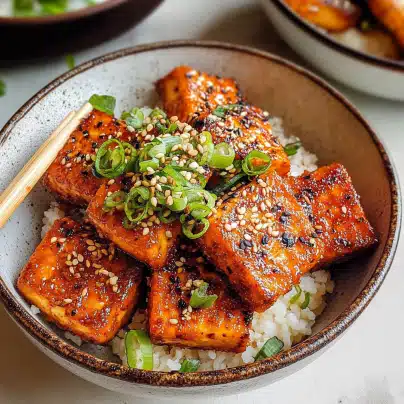
1. Serve with Steamed Rice
The rich, spicy sauce of the tofu is perfectly complemented by a simple bed of fluffy steamed rice. The rice helps balance the heat of the gochujang and provides a neutral base to enjoy the bold flavors of the tofu.
2. Pair with Pickled Vegetables
For a traditional Korean touch, serve the tofu alongside some pickled vegetables, such as kimchi or pickled cucumbers. The tanginess and crunch of the pickles offer a refreshing contrast to the spiciness of the tofu.
3. Serve with a Green Salad
If you prefer a lighter meal, serve the crispy tofu over a fresh green salad. A salad with mixed greens, cucumber, and a sesame dressing pairs wonderfully with the spicy tofu.
4. Make a Korean Tofu Wrap
For a fun twist, wrap the crispy gochujang tofu in lettuce leaves or a tortilla with some fresh vegetables. This makes for a delicious and customizable wrap that’s easy to eat on the go.
Additional Tips
- Pressing the Tofu: The key to getting crispy tofu is pressing it well to remove as much moisture as possible. This ensures that the tofu can absorb the marinade and crisps up beautifully when fried.
- Adjust the Spice Level: Gochujang can vary in spiciness. If you prefer a milder flavor, start with less gochujang and adjust according to your taste.
- For Extra Crunch: For an even crunchier tofu, you can double-coat the tofu by dipping it in cornstarch twice before frying.
- Make It Vegan: This recipe is already plant-based and vegan-friendly as long as you use maple syrup instead of honey.
- Leftovers: Store any leftover crispy gochujang tofu in an airtight container in the refrigerator for up to 2 days. Reheat the tofu in the oven or air fryer to restore its crispiness.
Recipe Variations
While Crispy Gochujang Korean Tofu is fantastic as written, there are many ways to adapt it:
1. Add Vegetables
To make the dish heartier, you can add vegetables like bell peppers, onions, or spinach to the tofu while frying. This creates a one-pan meal with extra flavor and texture.
2. Make It Gluten-Free
If you’re following a gluten-free diet, use gluten-free soy sauce and ensure that your cornstarch is certified gluten-free.
3. Use Different Proteins
While tofu is the perfect plant-based option, you can also use tempeh or seitan for a different protein base. Both offer a hearty texture and will absorb the gochujang sauce beautifully.
Freezing and Storage of Crispy Gochujang Korean Tofu
Crispy Gochujang Korean Tofu is a flavorful dish that can be prepared in advance, making it perfect for meal prepping or for busy days when you want to enjoy a delicious meal without much effort. Here’s how to freeze and store this dish properly to maintain its texture and flavor:
Freezing the Tofu Before Cooking
If you want to freeze the tofu before cooking, follow these steps:
- Press the Tofu: After draining the tofu, wrap it in a clean kitchen towel or paper towels, and press it to remove excess water. You can use a tofu press if you have one, or place a heavy object like a cast-iron pan on top for about 20-30 minutes.
- Freeze the Tofu: Once pressed, cut the tofu into cubes or slices, depending on your preference. Place the tofu pieces in a single layer on a baking sheet lined with parchment paper. Freeze until the tofu is solid, about 4-6 hours. This method helps to retain the tofu’s structure after cooking and gives it a slightly chewier texture.
- Store in a Freezer Bag: After the tofu is frozen, transfer it to an airtight freezer-safe bag or container. Remove as much air as possible from the bag before sealing it. The tofu can be stored in the freezer for up to 3 months.
- Thawing: To use the frozen tofu, remove it from the freezer and let it thaw in the refrigerator overnight or at room temperature for 1-2 hours. Once thawed, you can press it again to remove any remaining water before marinating and cooking.
Freezing the Fully Cooked Tofu
If you want to freeze the tofu after it’s been cooked, here’s what you should do:
- Cool the Tofu: After cooking the tofu, allow it to cool to room temperature. Do not freeze the tofu while it is still hot as this can affect its texture when reheated.
- Store in an Airtight Container: Place the cooled crispy tofu in an airtight container or freezer-safe bag. If you are using a bag, remove as much air as possible. To prevent the tofu from sticking together, you can layer parchment paper between pieces.
- Freezing: Store the tofu in the freezer for up to 2-3 months. The crispy exterior may soften slightly after freezing, but the flavor will remain intact.
- Reheating: To reheat, you can bake the frozen tofu on a baking sheet at 375°F (190°C) for about 15-20 minutes or until crispy. Alternatively, you can heat it in a frying pan over medium heat with a little oil to crisp it back up.
Storing Leftover Crispy Gochujang Korean Tofu
If you have leftover tofu that you’ve already cooked, here’s how to store it:
- Cool the Tofu: Let the tofu cool to room temperature before storing it to prevent condensation inside the container, which could affect its texture.
- Refrigerate: Store the leftover tofu in an airtight container in the refrigerator for up to 3-4 days. Make sure to separate the tofu from the gochujang sauce, as the sauce can make the tofu soggy over time. You can keep the sauce in a separate container.
- Reheat: When ready to eat, you can reheat the tofu in a pan, microwave, or oven. If reheating in the oven, place the tofu on a baking sheet and bake at 375°F (190°C) for 10-15 minutes to restore some of the crispiness.
Storage Tips
- For Best Quality: Tofu is best when consumed fresh, but if stored and handled properly, it can last for several days in the fridge or up to a few months in the freezer.
- Avoid Freezing with Sauce: If possible, avoid freezing the tofu with the gochujang sauce. Freezing the sauce may cause it to separate when reheated. Instead, freeze the tofu and sauce separately and combine them when reheating.
By following these storage and freezing tips, you can enjoy Crispy Gochujang Korean Tofu on a variety of occasions without worrying about food wastage.
Special Equipment for Crispy Gochujang Korean Tofu
While making Crispy Gochujang Korean Tofu doesn’t require many specialized tools, a few kitchen essentials can make the process more convenient and help ensure the best results. Here’s a list of equipment that may come in handy:
1. Tofu Press (Optional)
- Purpose: A tofu press helps to remove excess moisture from the tofu, which is crucial for getting that crispy texture. While it’s not strictly necessary, a tofu press makes this step easier and more effective.
- Alternative: If you don’t have a tofu press, you can wrap the tofu in a clean kitchen towel or paper towels and place a heavy object, like a cast-iron skillet, on top to press out the moisture.
2. Baking Sheet
- Purpose: A baking sheet is used for baking the tofu, ensuring it crisps up evenly without sticking. A baking sheet lined with parchment paper or a silicone baking mat makes cleanup easier and helps prevent the tofu from sticking to the tray.
3. Non-stick Skillet or Frying Pan
- Purpose: A non-stick skillet or frying pan is essential for frying the tofu, ensuring it crisps up without sticking. A well-seasoned cast-iron pan also works well if you prefer a more rustic approach.
4. Small Mixing Bowls
- Purpose: Small mixing bowls are ideal for preparing the gochujang marinade, mixing spices, and tossing the tofu cubes in the marinade. Having separate bowls for each component helps to keep the ingredients organized.
5. Tongs or Slotted Spoon
- Purpose: Tongs or a slotted spoon are useful for flipping and removing the tofu from the pan without breaking the cubes. These tools help maintain the tofu’s integrity while making sure it stays crispy.
6. Measuring Cups and Spoons
- Purpose: Accurate measurements are key to ensuring the right balance of flavors, especially when making the gochujang sauce. Measuring cups and spoons will help you achieve the correct proportions of ingredients like soy sauce, sesame oil, and gochujang paste.
7. Airtight Storage Containers
- Purpose: If you’re meal prepping or storing leftovers, airtight containers are a must for keeping the tofu fresh. These containers ensure that your crispy tofu stays well-preserved in the fridge or freezer without losing its texture.
Frequently Asked Questions (FAQ)
1. Can I use a different type of tofu for this recipe?
- Answer: Yes, you can use different types of tofu, but the best option for this recipe is firm or extra-firm tofu, as it holds its shape better when pressed and cooked. Soft or silken tofu will likely break apart during cooking and won’t have the same crispy texture.
2. How can I make the tofu extra crispy?
- Answer: To achieve an extra-crispy texture, it’s essential to press the tofu to remove as much moisture as possible. Additionally, coating the tofu with cornstarch or flour before frying helps create a crisp outer layer. For an even crispier result, try double frying the tofu: cook it halfway through, remove and let it rest, then fry again until golden and crispy.
3. Is there a vegan alternative to gochujang?
- Answer: Traditional gochujang is made with fermented soybeans, rice, and sometimes fish sauce, but there are vegan-friendly versions available that do not contain fish sauce. If you can’t find a vegan gochujang, you can make a homemade version using fermented soybeans, chili paste, sugar, and rice vinegar.
4. Can I bake the tofu instead of frying it?
- Answer: Yes, you can bake the tofu for a healthier alternative to frying. To bake, preheat your oven to 400°F (200°C) and line a baking sheet with parchment paper. Spread the tofu cubes evenly in a single layer on the sheet and bake for 25-30 minutes, flipping halfway through, until crispy and golden.
5. Can I make the sauce ahead of time?
- Answer: Yes, the gochujang sauce can be made ahead of time and stored in an airtight container in the refrigerator for up to one week. Just reheat the sauce slightly before using it to toss the tofu.
Conclusion
Crispy Gochujang Korean Tofu is a delightful and flavorful dish that combines the best of Korean cuisine with the versatility of tofu. Whether you’re craving a bold and spicy meal or simply looking to try something new, this dish is sure to satisfy your taste buds. With its crispy texture, savory-sweet sauce, and customizable options, it’s a perfect addition to your weekly dinner rotation. Enjoy it with your favorite sides, and don’t forget to share your creation with friends and family!