
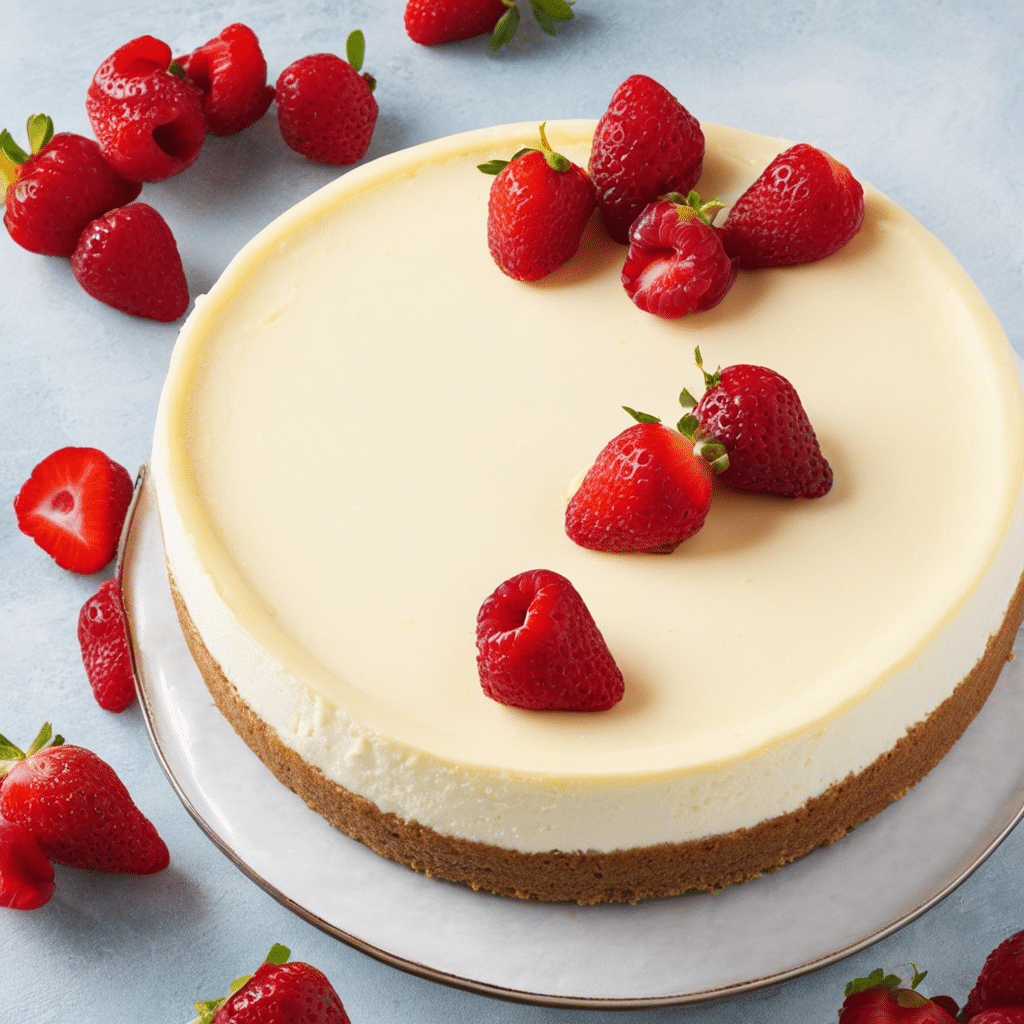
When it comes to dessert perfection, few treats are as universally adored as the classic cheesecake. This creamy, rich dessert has a storied history and remains a favorite indulgence for many. Whether it’s a special occasion or a casual family gathering, a well-made cheesecake can elevate the dining experience. Recently, I embarked on a culinary journey to perfect the classic cheesecake recipe, and the results were nothing short of delightful. My family, who are usually quick to provide feedback, were unanimous in their praise, declaring it the best cheesecake they had ever tasted. This led me to share the recipe, along with some insights on how to achieve that perfect balance of flavors and textures that make a cheesecake memorable.
Ingredients
Creating the perfect cheesecake begins with choosing the right ingredients. The classic cheesecake calls for:
- 1 1/2 cups of graham cracker crumbs
- 1/4 cup of sugar
- 1/2 cup of melted butter
- 4 (8 ounce) packages of cream cheese, softened
- 1 1/4 cups of white sugar
- 1 teaspoon of vanilla extract
- 4 large eggs
- 2/3 cup of sour cream
- 2/3 cup of heavy cream
Each ingredient plays a crucial role in the overall taste and texture of the cheesecake. Fresh, high-quality products will yield the best results, ensuring a smooth and decadent dessert.
Instructions
The process of making a classic cheesecake can be broken down into several key steps:
1. Prepare the Crust: Preheat your oven to 325°F (160°C). In a medium bowl, combine the graham cracker crumbs, sugar, and melted butter. Mix until the crumbs are evenly coated. Press the mixture firmly into the bottom of a 9-inch springform pan. Bake the crust for about 10 minutes, then allow it to cool.
2. Prepare the Filling: In a large mixing bowl, beat the cream cheese until smooth and creamy. Gradually add the sugar and vanilla extract, continuing to beat until well combined. Add the eggs one at a time, mixing on low speed until just blended. Finally, fold in the sour cream and heavy cream until the mixture is smooth and homogenous.
3. Bake the Cheesecake: Pour the cream cheese mixture over the cooled crust, smoothing the top with a spatula. Place the springform pan into a larger baking dish filled with about an inch of hot water. This water bath helps prevent cracking. Bake in the preheated oven for 60-70 minutes, or until the center is set but still slightly jiggly. Turn off the oven and crack the door, allowing the cheesecake to cool gradually for an hour.
4. Chill and Serve: Once cooled, refrigerate the cheesecake for at least four hours or overnight. This chilling process allows the flavors to meld and the texture to firm up. Before serving, run a knife around the edge of the pan to loosen the cheesecake, then remove the side of the springform pan.
Nutrition Facts
Understanding the nutritional content of your cheesecake can help you enjoy it responsibly. This classic cheesecake recipe yields approximately 12 servings, with each serving containing roughly 400 calories. While indulging in this dessert, it’s important to savor each bite and balance it with a healthy diet.
Preparation Time
The preparation and cooking time for this cheesecake is approximately 1 hour and 30 minutes, excluding chilling time. The process is relatively straightforward, but it requires patience, especially during the chilling phase. Planning ahead ensures that your cheesecake will be ready for your special occasion.
How to Serve
- Serve chilled, straight from the refrigerator for the best texture.
- Top with fresh berries or a berry compote for a burst of flavor and color.
- Drizzle with chocolate or caramel sauce for added indulgence.
- Garnish with a dollop of whipped cream or a sprinkle of powdered sugar.
- Pair with a hot cup of coffee or tea to balance the richness.
Additional Tips
For those looking to elevate their cheesecake-making skills, here are some additional tips:
- Room Temperature Ingredients: Ensure all ingredients are at room temperature before starting. This makes it easier to mix and results in a smoother filling.
- Avoid Over-Mixing: Over-mixing can incorporate too much air, leading to cracks. Mix the ingredients until just combined.
- Use a Water Bath: The water bath helps distribute heat evenly and prevents the edges from cooking too quickly.
- Gradual Cooling: Allow the cheesecake to cool slowly in the oven with the door ajar to prevent sudden temperature changes that can cause cracking.
- Refrigeration Time: Do not rush the chilling process. Allowing the cheesecake to chill overnight yields the best results.
FAQ
Q: Can I use low-fat cream cheese?
A: While you can use low-fat cream cheese, it may affect the texture and richness of the cheesecake. For the classic version, full-fat cream cheese is recommended for optimal results.
Q: How can I prevent my cheesecake from cracking?
A: To prevent cracking, avoid over-mixing the batter, use a water bath during baking, and allow the cheesecake to cool gradually in the oven.
Q: Can I freeze the cheesecake?
A: Yes, you can freeze the cheesecake. Wrap it tightly in plastic wrap and aluminum foil to prevent freezer burn. Thaw it in the refrigerator before serving.
Q: How long can I store the cheesecake in the refrigerator?
A: A cheesecake can be stored in the refrigerator for up to 5 days. Ensure it is covered to maintain freshness.
Q: Can I add flavors or toppings?
A: Absolutely! Cheesecake is versatile and can be customized with various flavors like lemon, chocolate, or even pumpkin. Toppings such as fruit, nuts, or sauces can enhance the dessert.